Secondary Metal Processing

Surface treatments that enhance strength, safety, and biocompatibility
Optimized Performance Through
Advanced Post-Processing
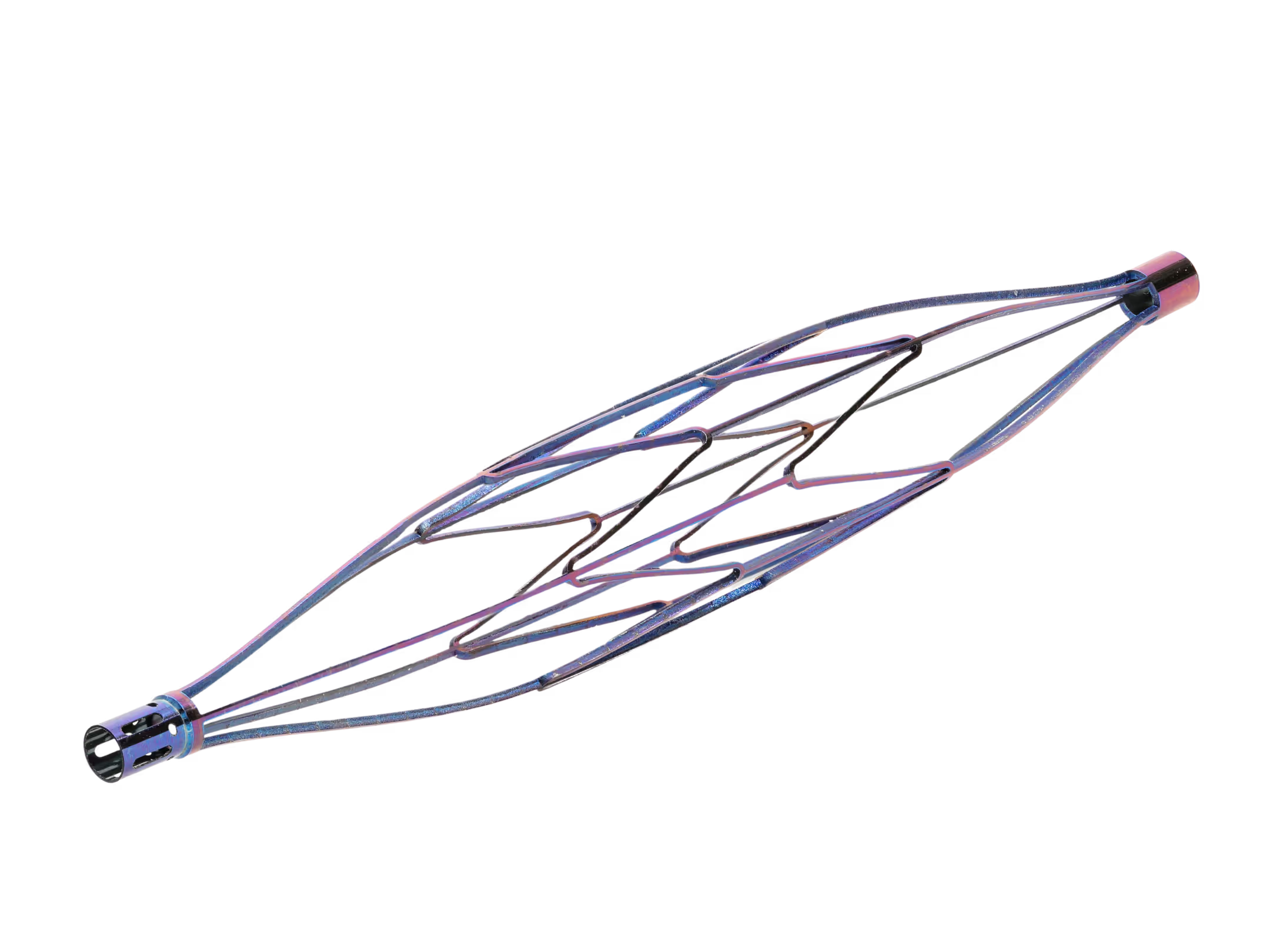
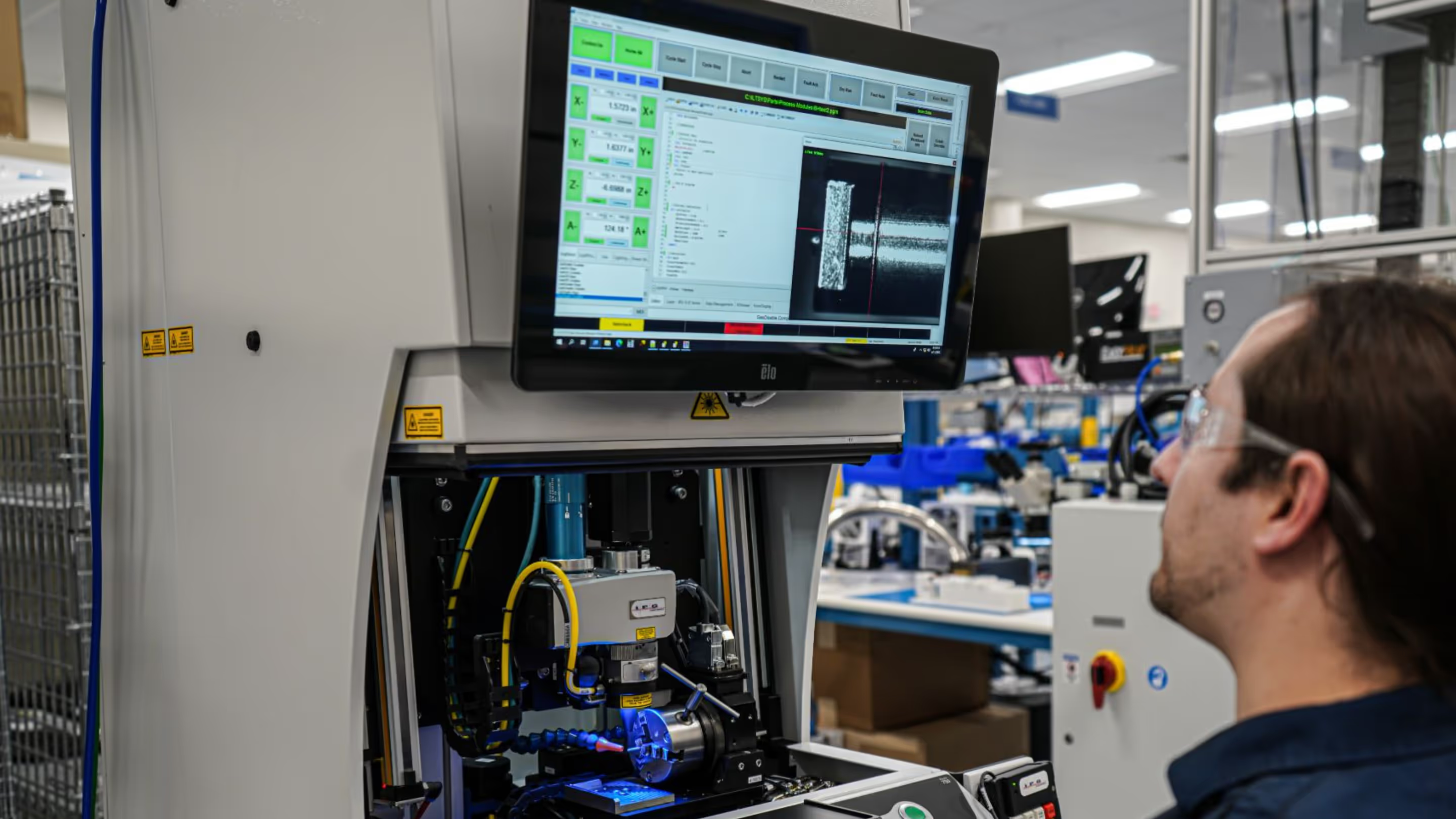
Cirtec offers a range of metal secondary processes designed to enhance the quality, functionality, and durability of medical device components. These processes are essential for ensuring that precision parts meet the stringent standards required for medical devices. By integrating surface treatments, heat treatments, and finishing services, we ensure that each component meets or exceeds performance and longevity specfications.
Secondary Metal Processing Capabilities
Cirtec’s metal secondary processing services enhance the performance, durability, and safety of precision medical components. From electropolishing and passivation to heat treatment and specialty coatings, we tailor each process to meet the exacting requirements of implantable and interventional devices.
Electropolishing is a crucial step in improving the surface finish of medical components. This process removes surface imperfections and contaminants, providing smoother surfaces that reduce friction and improve biocompatibility.
Benefits:
- Enhanced Corrosion Resistance: Electropolishing improves the corrosion resistance of materials, particularly stainless steel, extending the longevity and reliability of components.
- Smoother, Polished Surfaces: Removes surface imperfections and contaminants, providing friction-reducing surfaces that improve device performance and ease of sterilization.
- High-Polish Finishes: Achieves superior surface finishes for components where standard machining cannot meet strict specifications, such as blood pump parts and fluid-contact surfaces.
- Biocompatibility: Essential for components that come into contact with human tissue, such as stents, surgical tools, and implantable devices, reducing contamination risks and improving overall device safety.
Passivation is used to improve the corrosion resistance of stainless steel and other metals. This chemical treatment removes free iron and other contaminants from the metal’s surface, forming a protective oxide layer.
Benefits:
- Ensures that implants and surgical instruments can withstand long-term exposure to body fluids without corroding.
- Provides a protective barrier that enhances the durability of the device.
To ensure the safety and functionality of medical components, deburring removes sharp edges or imperfections left behind from the manufacturing process. Our surface finishing services further enhance the smoothness and quality of components.
Benefits:
- Critical for minimally invasive surgical instruments, where sharp edges could damage tissue.
- Ensures components are safe for use in delicate procedures.
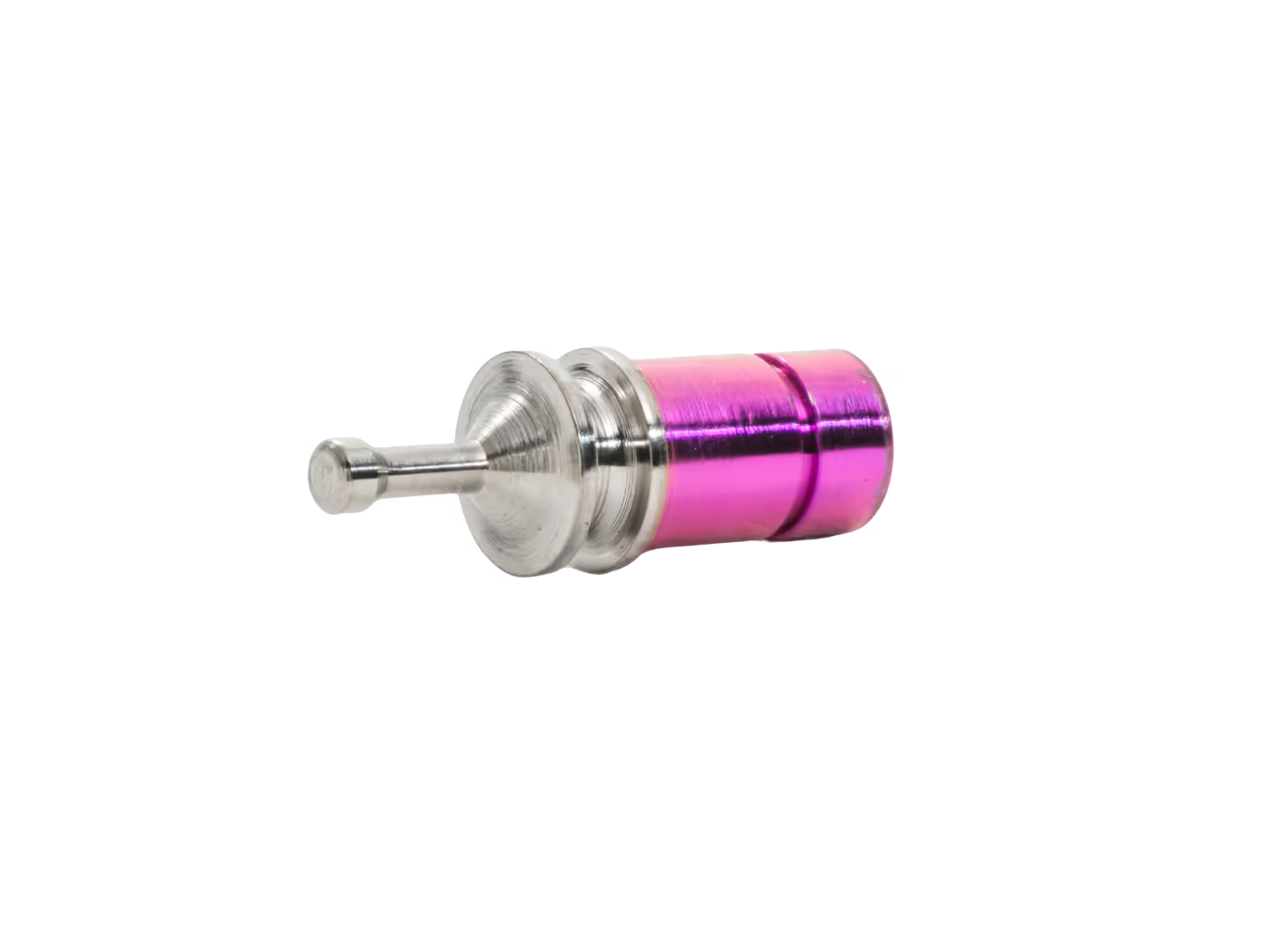
Titanium etching is a critical secondary finishing step in medical device manufacturing that tailors the surface, rather than the shape, of a metal component. By modifying roughness, chemistry, and cleanliness, it directly influences biocompatibility, implant integration, and long-term performance.
Benefits:
- Enhanced surface cleanliness by removing contaminants such as machining oils, residues, and embedded particles.
- Improves the biocompatibility of implanted medical devices by creating micro- and nano-scale surface roughness.
Ultrasonic cleaning is a precision cleaning process that uses high-frequency sound waves to remove contaminants from metal components. Ultrasonic cleaning is a highly effective, non-invasive way to achieve the level of cleanliness required especially for components with intricate designs.
Benefits:
- Provides a thorough cleaning for complex medical components.
- Removes microscopic contaminants and effectively eliminates oils, polishing compounds, metal fines, and particulates.
Why Choose Cirtecfor Metal Secondary Processing?
- Precision and Quality Control
- Complete In-House Services
- Experience with Complex Materials
- Regulatory Compliance
Cirtec delivers advanced secondary processing services with a focus on precision, quality control, and biocompatibility. By offering complete in-house capabilities—from surface finishing to heat treatment—we reduce lead times and ensure consistent results across every component.
Our team has deep experience working with complex materials including stainless steel, Nitinol, MP35N, titanium, and platinum alloys, optimizing each process for performance and reliability. All services are conducted in alignment with ISO 13485 and FDA regulations, supporting full compliance for Class II and III medical devices.
Refine every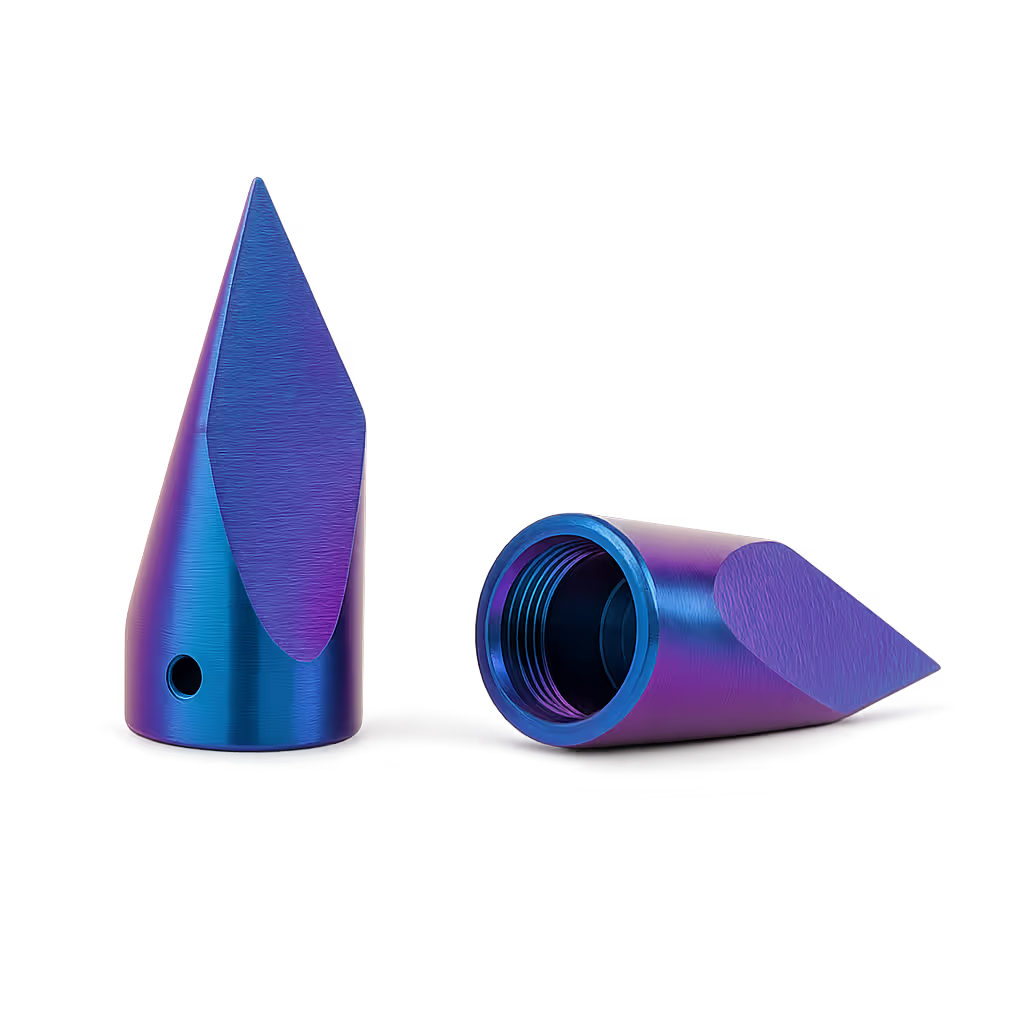 surface
ensure strength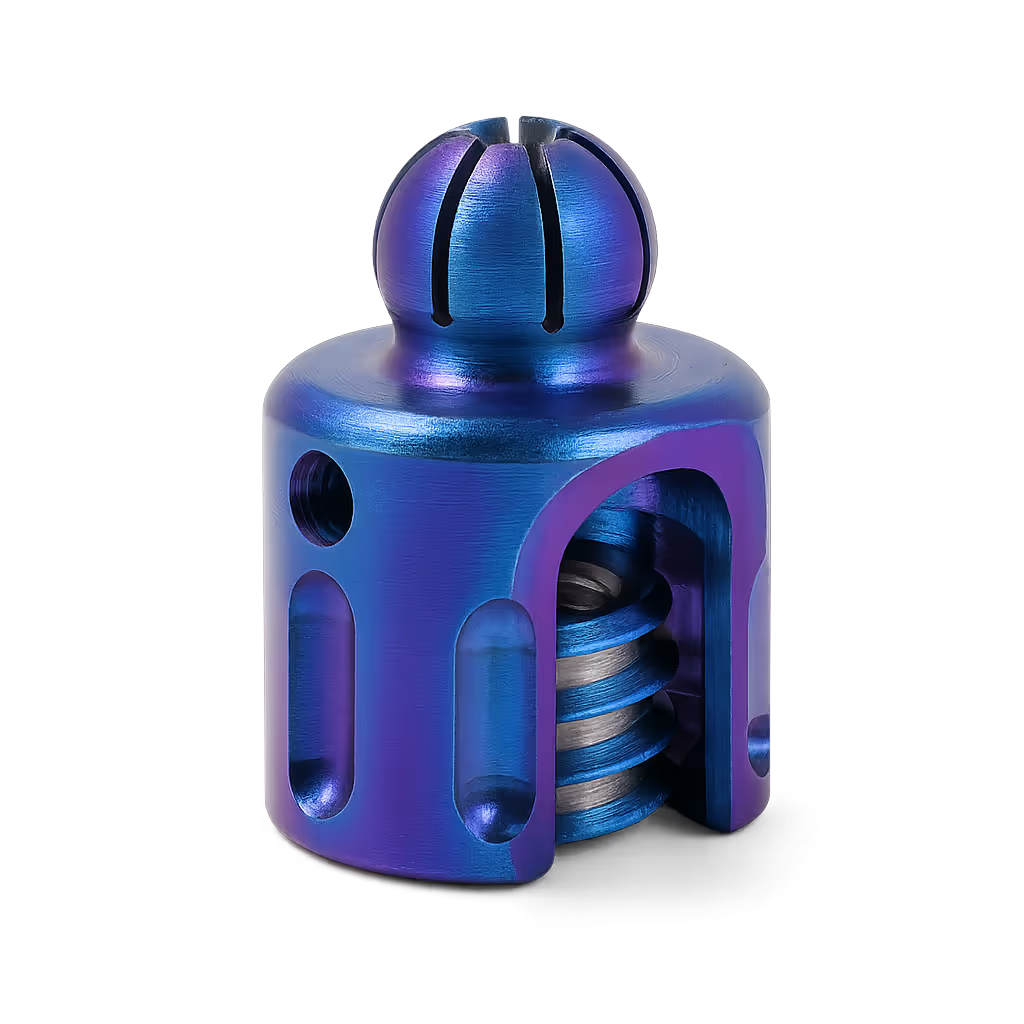 and
and
long-term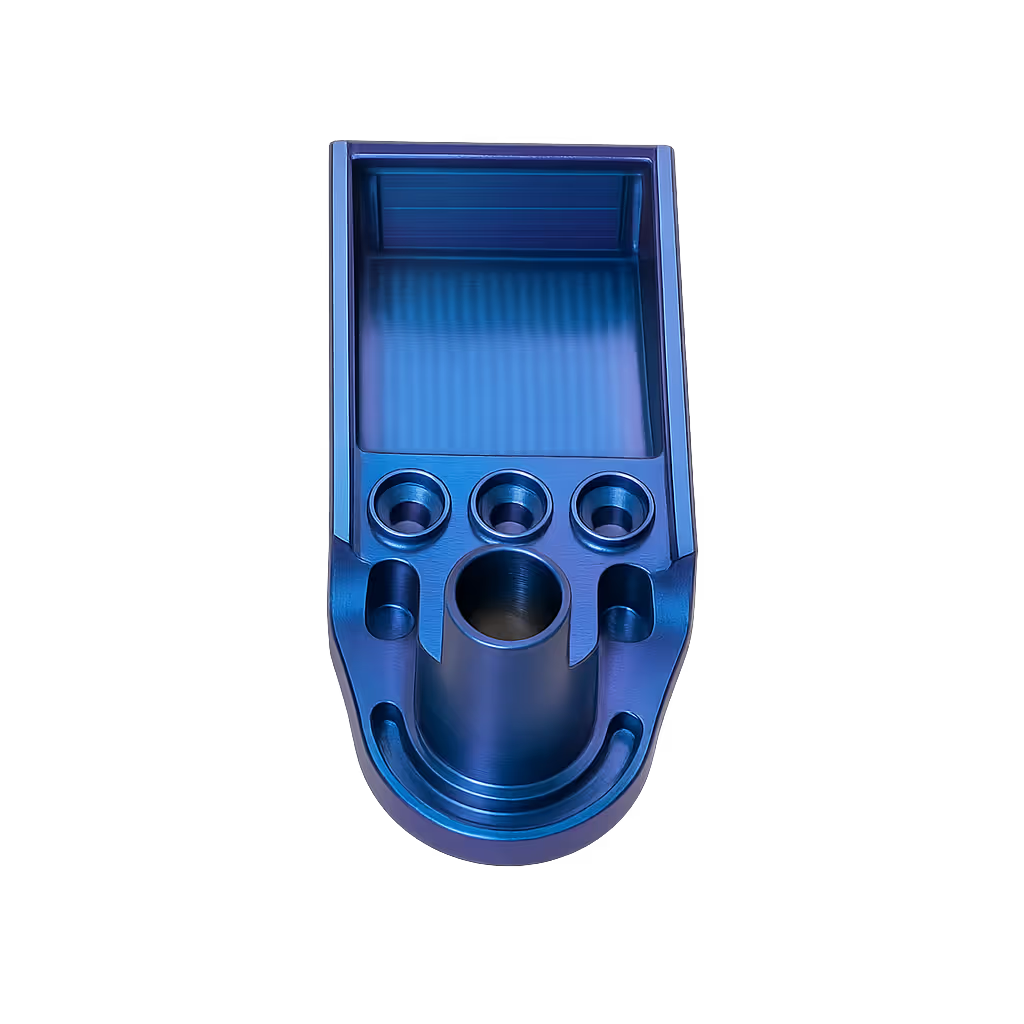 safety
Connect with our team to get started